
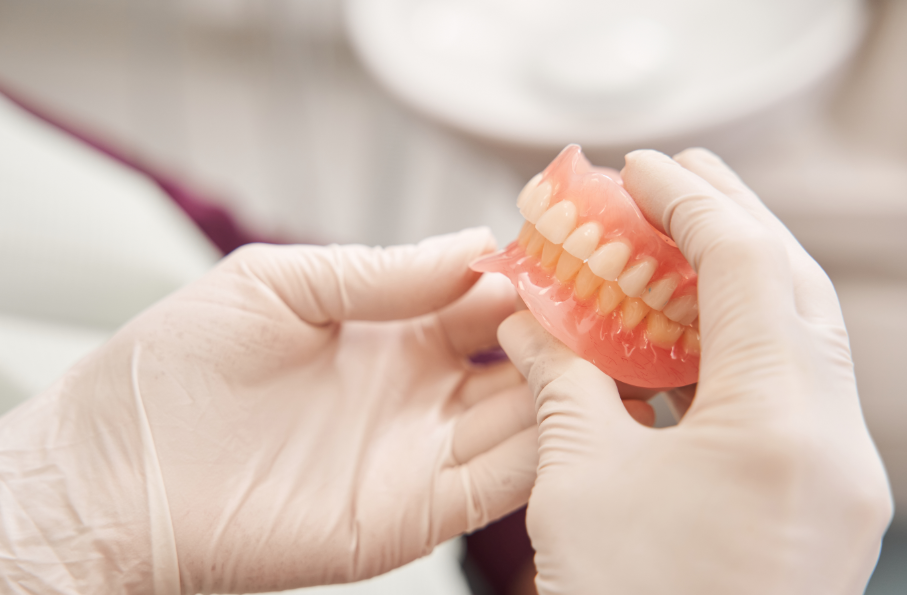
Dentures can be life-changing, restoring your ability to eat, speak, and smile with confidence. But they should also feel comfortable and secure. If your dentures are rubbing, slipping, or causing persistent discomfort, it’s important not to simply put up with it. Ill-fitting dentures can create problems that go beyond an annoying fit and may affect your oral health over time.
1. Gum Irritation and Soreness
One of the most common signs that dentures aren’t fitting properly is irritated or sore gum tissue. When a denture moves around or presses unevenly against the gums, repeated friction can leave your mouth feeling tender and uncomfortable. You may notice redness, swollen areas, or sore spots that become especially painful while eating.
Persistent irritation shouldn’t be considered a normal part of wearing dentures. A dental professional can evaluate the fit and determine whether an adjustment, reline, or replacement may be appropriate.
2. Mouth Sores and Blisters
Continued rubbing from a poorly fitting denture can eventually cause blisters, ulcers, or other areas of damaged tissue. These sores can make eating and speaking uncomfortable, and they may have difficulty healing if the source of irritation isn’t addressed.
If you repeatedly develop sores in the same location, let your dentist know. Continuing to wear a denture that is causing the problem may allow the irritation to persist.
3. Difficulty Chewing
Dentures should help you enjoy meals, not make them a challenge. When dentures are loose or unstable, chewing can become difficult because the prosthesis may shift when you bite down. You might find yourself avoiding certain foods or chewing only on one side of your mouth.
Difficulty chewing can also affect your enjoyment of meals and make it harder to maintain a varied diet. Having your dentures evaluated can help identify whether the fit or another issue is interfering with comfortable chewing.
4. Problems With Speaking
Your dentures play an important role in helping you form certain sounds. If they move unexpectedly or don’t sit properly, you may notice changes in your speech, including difficulty pronouncing certain words or developing a temporary lisp.
Loose dentures can also become distracting during conversations because you may constantly worry about them shifting or becoming dislodged. A better fit can help you feel more comfortable and confident when speaking.
5. Changes to Your Oral Tissues and Bone
There’s another reason not to ignore uncomfortable dentures: your mouth changes over time. Changes in the gums and underlying jawbone can cause dentures to become loose, even if they originally fit well. Prolonged use of poorly fitting dentures may contribute to chronic irritation and changes to the tissues supporting the denture.
This is why regular dental examinations are so important for denture wearers. Your dentist can check the condition of your mouth as well as the fit and condition of your dentures. Denture adhesive may provide temporary help in some situations, but it isn’t a substitute for addressing an underlying fit problem.
If your dentures hurt, slip, or no longer feel like they used to, don’t just grin and bear it. A professional evaluation can help protect your comfort and your oral health.
About the Practice
East Center Dental is a comprehensive dental practice in Warsaw, Indiana, established in 1976. The practice is led by Dr. Michael L. Rudolph, DDS, who has more than 30 years of dental experience, including advanced training in oral surgery, periodontal disease, dental restorations, cosmetic dentistry, and dental sleep medicine. The team focuses on personalized, comprehensive dental care designed around each patient’s individual needs.
Call us at (574) 269-1787 or schedule your appointment online.