
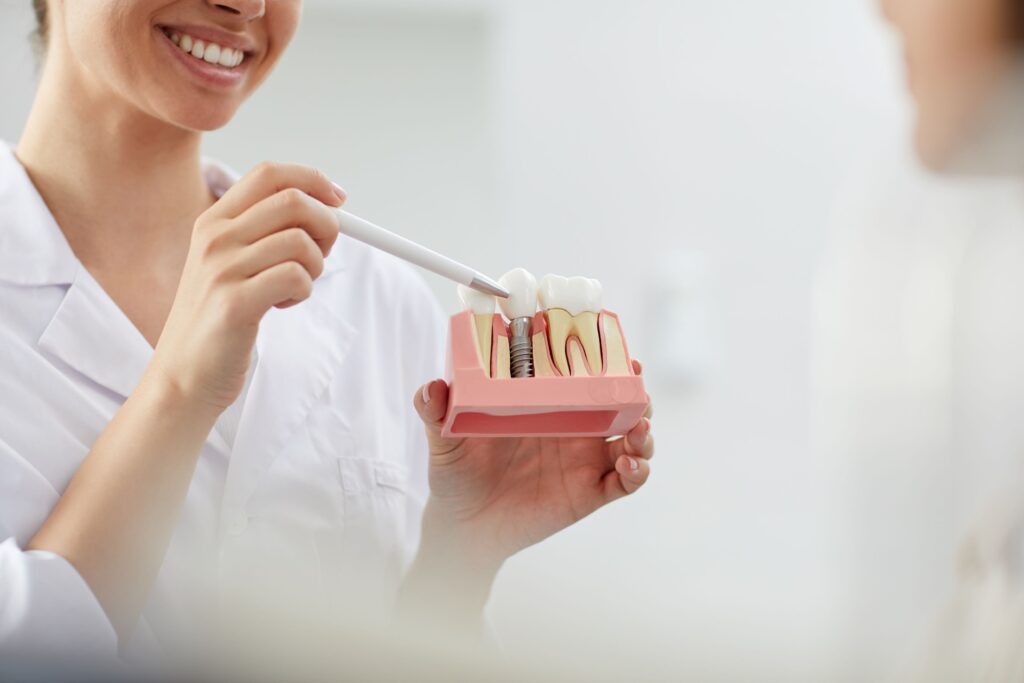
Many experts consider dental implants the gold standard for replacement teeth due to their unique advantages. Unlike dentures and dental bridges, they are placed directly into your jaw and eventually fuse with the bone, which usually makes them stronger and longer-lasting.
However, this treatment is also the only option that involves oral surgery, and you might feel anxious about proceeding if you’re unsure what to expect from your recovery. Continue reading through these 3 commonly asked questions and responses to learn more about it!
Question #1: Can I Drive Myself Home Afterward?
One of the first things on many patients’ minds regarding their dental implant surgery is whether they’ll be able to drive following their appointment. Typically, it’s recommended that you arrange to have someone help get you home because you’ll most likely be numbed and/or sedated for the procedure itself.
The effects of these medications can potentially linger in your system until the next day, and can slow your reflexes, impair your judgement, or even blur your vision, which significantly increases the likelihood of having an accident if you’re sitting behind the wheel. Having a trusted friend or family member chauffeur you can be a much safer alternative.
Question #2: Does Recovery Hurt?
Your provider will likely medicate you sufficiently to help you remain calm and still throughout your surgery, so you won’t have to worry about potential aches until the drugs leave your system. Then, it’s normal to feel soreness and swelling for a week or two. Typically, this discomfort peaks around the third day after your procedure, then gradually subsides on its own after that.
Most patients can safely reduce these symptoms with over-the-counter solutions, such as ibuprofen or acetaminophen. You might also try applying an ice pack to the inflamed side of your face for about 15 minutes at a time for a temporary numbing reprieve.
If the pain worsens or persists after two weeks, it’s time to contact your dentist to ensure you’re recovering as intended!
Question #3: How Long Should I Wait to Eat?
It’s natural to wonder when it will be safe to resume eating normally after having your dental implants surgically placed. Your mouth must form a blood clot over the site for your gums to heal, and eating overly hot, spicy, hard, crunchy, or sticky foods could dislodge it, not to mention push or pull your restoration out of place.
Typically, your dentist will provide detailed instructions that include sticking to soft, cool foods, such as yogurt, scrambled eggs, applesauce, or mashed potatoes, for the first 24-48 hours to give your mouth time to mend. You should also avoid drinking through straws or drinking alcoholic beverages. Then, after a few days, you can usually begin adding harder foods back into your diet, though it’s best to continue to avoid anything that might harm your new tooth.
If you have additional pressing questions regarding dental implant recovery, the best way to find answers based on your circumstances is to consult your dentist directly!
Meet the Author
Dr. Mike Rudolph has 30+ years of experience helping families improve their daily lives by enhancing their dental health. He earned his dental degree from the Maryland School of Dentistry, and today, he offers a comprehensive menu of services to meet the needs of people of all ages under one roof. He has completed specialty training and has state-of-the-art technology to place and restore dental implants in-house. You can request an appointment on the website or call (574) 269-1787.